Your cart

The Cask Exchange: A Seattle Exchange

The Cask Exchange: A Seattle Exchange

In Seattle, you can’t really walk across the street without finding a brewery.

The craft brewing scene, following the second wave of coffee, burst into everyday life in Seattle in the 1990s. When we first began distilling at Westland, that brewing culture was undoubtedly shaping the way we thought about whiskey. Brewers were experimenting with ingredients, fermentation, wood, and time. They were building something distinctly their own, rooted in the place where they lived and worked.

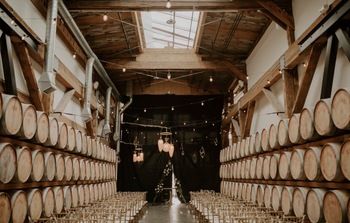
The moment we started distilling, we received copious emails from brewers asking to use our whiskey barrels for special projects and barrel aged beers. There is a huge market for ex-bourbon barrels, given that bourbon is beholden by law to age in brand new oak casks, no used ones allowed. So after bourbon fills a cask, the wood can be used to age another fine liquid. As a single malt producer, we never intended to sell off our barrels, but we wanted to see just how we could meet the needs of local brewers.

"As a single malt producer, we never intended to sell off our barrels, but we wanted to see just how we could meet the needs of local brewers."

The idea was simple. We would lend local breweries our used whiskey casks, free of charge, and let them decide what to do with them. There was no prescribed beer style, no recipe, no list of instructions beyond one: use the cask for one project, then send it back. What happened inside the cask was up to them. Some of those barrels held rich, dark beers. Others held something entirely unexpected. Each brewer brought their own instincts to the exchange, and the cask carried a little of that work back to us.

"The idea was simple. We would lend local breweries our used whiskey casks, free of charge, and let them decide what to do with them."

Beer barrel finished whiskey is nothing new to our industry. But often, the distiller selects a narrow profile of beer. For us, there are endless opportunities and now hundreds of beer casks in our stocks to choose from. That is what makes the Cask Exchange interesting. The character of a whiskey cask does not disappear when the whiskey is gone. Its oak still carries traces of vanilla, caramel, toffee, and a little smoke. Put it in the hands of a brewer, and those flavors become part of a new story.

"For us, there are endless opportunities and now hundreds of beer casks in our stocks to choose from. That is what makes the Cask Exchange interesting."

In the new film West of Tradition, we spend some time with the people and places that have shaped American Single Malt. The Cask Exchange is one small example of that larger story: a region where makers borrow from one another, push each other forward, and create things that could only have come from here. There is a certain amount of trust involved, too. We never tell a brewer what beer to make. We give them a cask and let them make the call. Then we wait, however long it may take.

"That is the spirit of the exchange. Take something that has already had a life, give it to another maker, and see what happens next."

The Cask Exchange began with a simple idea about barrels. Over time, it became something bigger: an exchange of ideas between the brewers and distillers who call the Pacific Northwest home. The cask comes back to us with a whole new story to tell, and so do we.

That is the spirit of the exchange. Take something that has already had a life, give it to another maker, and see what happens next.

West of Tradition - September 17th Premiere
Ticket

West of Tradition - September 17th Premiere

$10.00

Change Location

Continue Reading